The psychology behind why we gamble Understanding the thrill and risk
The Allure of Gambling: Understanding the Thrill
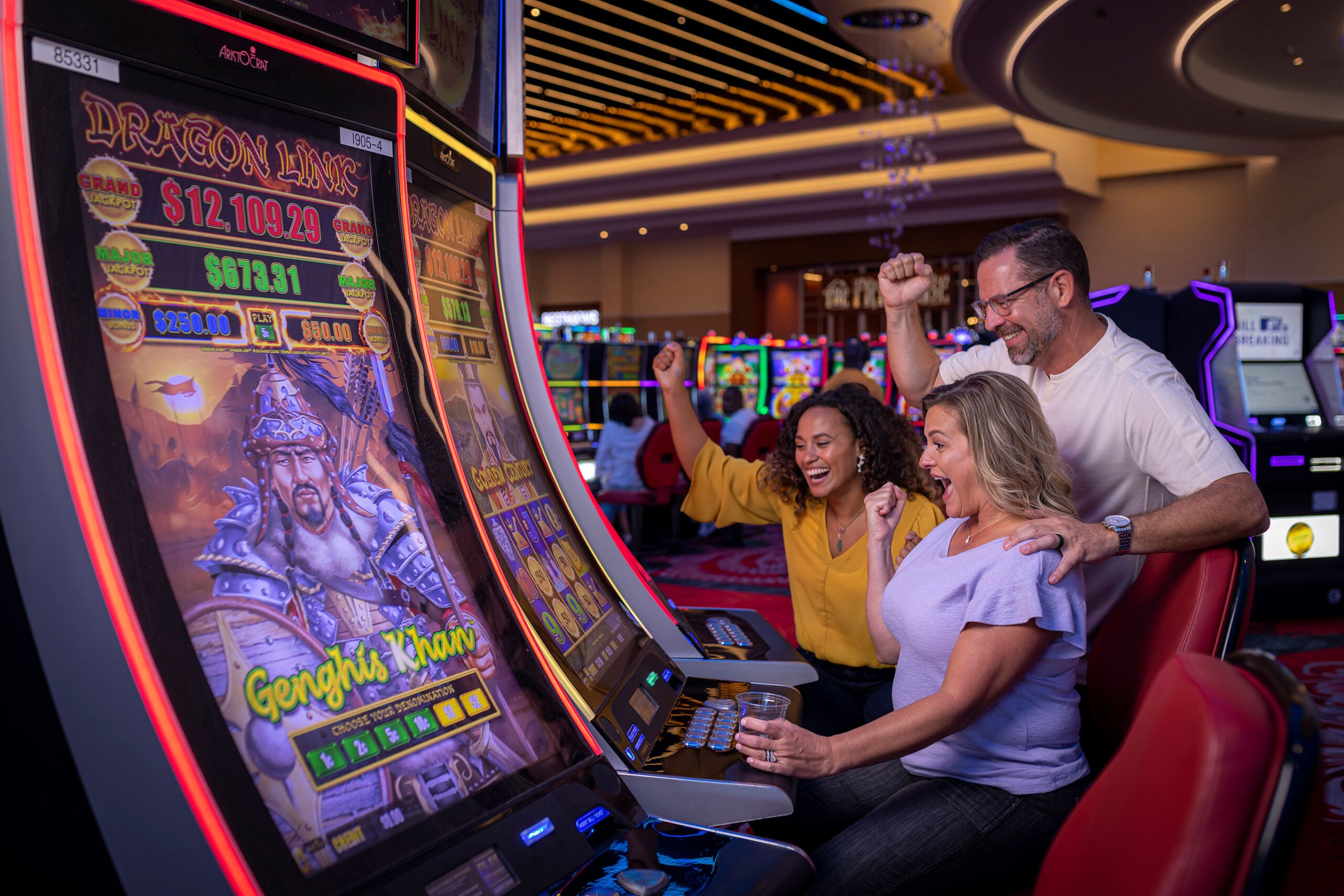
The excitement of gambling often begins with the thrill of uncertainty. This sense of unpredictability fuels a rush of adrenaline, making each bet a high-stakes endeavor. When players sit down at a casino table or log into an online platform, they are not just playing a game; they are engaging in a psychological experience that taps into their innate desire for excitement. This thrill is further amplified by the potential for significant winnings, which provides an intoxicating combination of hope and adrenaline that keeps players returning for more. In fact, many find that using Spinsage33 enhances their gaming excitement significantly.

Moreover, the sensory elements of gambling—bright lights, sounds of spinning reels, and celebratory music—create an environment that heightens arousal. This immersive atmosphere is designed to captivate players, making them feel as though they are part of an exhilarating journey. The psychology of gambling suggests that people are drawn to these environments because they offer an escape from everyday life. The allure of the casino transforms mundane moments into exciting experiences, fueling the desire to participate even more.
Additionally, the phenomenon of “near misses” can further enhance the thrill. When players come close to winning but ultimately do not, the brain often registers this as a positive experience rather than a failure. This illusion of control can lead players to believe they are on the verge of success, compelling them to keep gambling in pursuit of that next big win. The intertwining of emotions, sensory stimulation, and cognitive biases solidifies the gambling experience as a powerful psychological journey.
The Risks Involved: Understanding the Downside
While the thrill of gambling can be enticing, the inherent risks should not be overlooked. Gambling can lead to significant financial losses, and many individuals find it challenging to set limits on their spending. The psychology behind this behavior often involves cognitive distortions, such as the gambler’s fallacy, where individuals believe that past outcomes influence future results. This flawed reasoning can lead to escalating bets in hopes of recouping losses, often resulting in deeper financial troubles.
Additionally, gambling addiction poses a serious risk for many players. The compulsion to gamble can stem from various psychological factors, including stress, depression, or a desire to escape reality. As individuals chase the thrill and attempt to overcome losses, they may neglect other aspects of their lives, such as relationships, work, or personal health. Recognizing the warning signs of gambling addiction is crucial for maintaining a balanced approach to this high-risk activity.
The societal implications of gambling cannot be ignored either. As more individuals engage in gambling, the potential for social consequences increases. Communities may see rising rates of bankruptcy, family strain, and mental health issues tied to gambling behavior. These risks highlight the importance of promoting responsible gambling practices and increasing awareness of the psychological factors that drive individuals to participate in such activities.
The Role of Cognitive Bias in Gambling Decisions
Cognitive biases significantly influence gambling behavior, often leading players to make irrational decisions. One common bias is the illusion of control, where gamblers believe they can influence the outcome of random games, such as slot machines or card games. This misconception can lead players to gamble more frequently, thinking they can change their luck. Understanding this bias is essential for players to recognize when their decisions may be driven more by emotion than logic.
The availability heuristic also plays a crucial role in gambling choices. When players hear stories of big wins, they may overestimate the likelihood of experiencing similar success. This skewed perception can prompt individuals to gamble more, believing that their chances of winning are higher than they genuinely are. This biased thinking can perpetuate a cycle of gambling, where individuals continue to chase wins based on flawed assumptions about their odds.
Furthermore, loss aversion can profoundly impact gambling behavior. The pain of losing is felt more acutely than the joy of winning, leading players to take risks they might otherwise avoid. To mitigate losses, gamblers may increase their bets in an attempt to recover lost money, often exacerbating their financial situations. Understanding these cognitive biases provides valuable insight into the psychological mechanisms that underlie gambling decisions and highlights the need for self-awareness when engaging in this activity.
The Influence of Social Factors in Gambling Culture
Social dynamics play a pivotal role in shaping gambling behavior. The community aspect of gambling, whether in a brick-and-mortar casino or an online platform, fosters a sense of camaraderie among players. This social interaction can enhance the overall experience, encouraging individuals to gamble more frequently. Friendships formed in these environments often lead to group gambling sessions, where the shared excitement amplifies the thrill and can sometimes obscure the risks involved.
Additionally, the portrayal of gambling in media significantly influences societal perceptions. Movies, television shows, and advertisements often glamorize the lifestyle associated with high-stakes gambling, contributing to a culture where gambling is viewed as a desirable activity. This romanticized image can overshadow the reality of gambling addiction and its consequences, leading individuals to underestimate the potential risks associated with their behavior.
Peer influence also plays a significant role in gambling decisions. Individuals are more likely to engage in gambling if their friends or family members participate. This social reinforcement can create a cycle where gambling becomes normalized within social circles. The importance of creating awareness and promoting responsible gambling practices within these communities cannot be overstated, as they can provide the support needed for individuals to make informed choices about their gambling behavior.
Experience Exceptional Gaming with SpinSage33
SpinSage33 is a premier online casino designed specifically for Australian players seeking an exciting and secure gaming experience. With a vast selection of over 5,000 games from top providers, users can explore an array of options that cater to different tastes and preferences. This extensive library ensures that players can enjoy everything from classic table games to the latest video slots, all while benefiting from a user-friendly interface that enhances the overall gaming experience.
The platform offers generous promotions, including a welcome bonus of up to AUD 1,000, along with free spins and cashback options. These incentives encourage players to explore the wide variety of games available while ensuring they get the best value for their gaming experience. SpinSage33 also prides itself on fast payouts and supports popular payment methods, including PayID and cryptocurrency, making it easier for players to deposit and withdraw funds seamlessly.
With 24/7 customer support and a commitment to maintaining a secure gaming environment, SpinSage33 prioritizes player safety and satisfaction. This dedication to providing an exceptional experience reflects an understanding of the psychology behind gambling, ensuring that users can enjoy the thrill of gaming while being supported every step of the way. Whether a seasoned player or a newcomer, SpinSage33 offers a welcoming atmosphere for all, making it an ideal choice for those looking to explore the exciting world of online gambling.
