
Is Forex Trading Gambling? Understanding the Fine Line
Forex trading, the act of buying and selling currencies, has become an increasingly popular financial activity in recent years. However, the question that often arises is whether forex trading can be classified as gambling. This article will delve into the intricacies of forex trading, its correlation to gambling, and how to approach it with a mindset focused on informed decision-making rather than chance. If you are interested in exploring trading options, consider checking out is forex trading gambling Trading Platform PH, which offers various resources for traders.
Defining Forex Trading and Gambling
To determine if forex trading is gambling, we first need to define both terms. Forex trading involves exchanging one currency for another with the goal of making a profit from fluctuations in exchange rates. Traders analyze market trends, economic indicators, and geopolitical events to make informed trading decisions.
On the other hand, gambling is typically understood as risking money on events with an uncertain outcome, where the outcome is often based on chance rather than skill or analysis. Common examples of gambling include casino games, sports betting, and lotteries. The critical distinction lies in the level of control one has over the outcome; in trading, a knowledgeable trader can influence their results through research and strategy, whereas a gambler usually cannot.
Similarities Between Forex Trading and Gambling
Despite the differences, there are undeniable similarities between forex trading and gambling. Both activities involve risk and the potential for loss. Traders, like gamblers, can experience winning and losing streaks, and the emotional highs and lows associated with these outcomes can lead to impulsive decisions.
Moreover, psychological factors play a significant role in both forex trading and gambling. The “fear of missing out” (FOMO) can push traders to make rash decisions, just as it can compel a gambler to place more bets. Additionally, the thrill of making a profitable trade can mimic the excitement of winning a bet, leading to a potentially addictive pattern of behavior.
The Risks Involved
Both forex trading and gambling carry substantial risks. In forex, leveraging can amplify both gains and losses, making it possible to lose more than an initial investment. Many novice traders fall into the trap of over-leveraging, similar to gamblers who place bets that exceed their actual financial capacity.
Consequently, it is essential for anyone interested in forex trading to recognize the inherent risks. This recognition serves as a foundation for developing effective risk management strategies, which include setting stop-loss orders and only trading with money one can afford to lose.
The Role of Strategy and Analysis
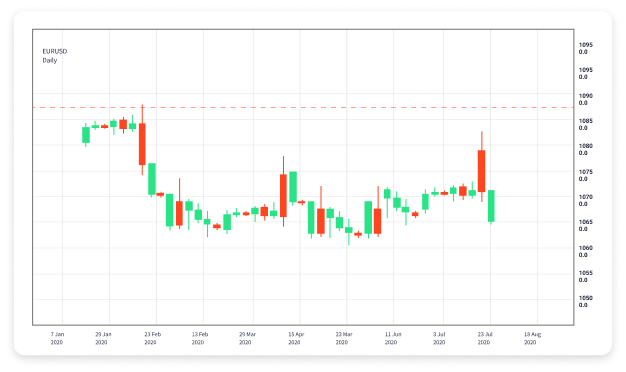
One of the key differences between forex trading and gambling lies in the strategic approach one can take in trading. Successful traders employ analytical tools, technical analysis, and market research to develop strategies for their trades. These processes involve using historical data, chart patterns, and economic indicators to forecast currency movements.
In contrast, gambling often lacks such analytical depth; much of it is based on chance. While some gamblers may employ strategies (like card counting in blackjack), the outcome still heavily relies on luck. In forex trading, a well-informed strategy can significantly increase one’s chances of success.
Building a Trading Mindset
A crucial aspect that distinguishes successful forex traders is their mindset. Rather than approaching trading as a form of gambling, successful traders treat it as a disciplined business venture. This approach involves planning, strategy development, and executing trades with patience and confidence.
To build a successful trading mindset, individuals should focus on education, practice through demo accounts, and continuously analyze their performance. Emphasizing learning and discipline helps traders remain grounded in their decision-making, reducing the likelihood of gambling-like behavior.
The Impact of Emotions
Emotions can have a profound impact on both forex trading and gambling. Fear, greed, and excitement can lead to decisions that are more emotional than rational. In the trading world, this can lead to premature exits from trades or holding onto losing positions in hope of a reversal.
To mitigate the effect of emotions, traders should develop a clear trading plan that outlines entry and exit points and stick to it. By setting predetermined parameters for trades, one can avoid being swayed by emotional responses to market fluctuations, which often result in losses akin to those experienced by gamblers.
Conclusion: Navigating the Fine Line
In conclusion, while there are similarities between forex trading and gambling, significant differences exist, particularly regarding strategy, analysis, and the potential for informed decision-making. Forex trading can be a legitimate financial endeavor if conducted with the right mindset, strategies, and risk management practices.
Ultimately, whether one views forex trading as gambling depends on their approach and understanding of the market. Education, discipline, and the ability to analyze market trends are vital to distinguishing a trader from a gambler. By investing time and effort into learning and developing a solid trading strategy, individuals can navigate the complexities of forex trading and minimize the risks associated with gambling behaviors.
